

Markets in the Gulf Cooperation Council (GCC) were experiencing broad gains following the session due to changes in the expectation of U.S. monetary policy, as well as a brief alleviation of supply constraints facing the world’s energy supplies. The decline in jobs numbers in the U.S. brought down the likelihood of an interest rate rise from the Federal Reserve, offering a much-needed boost to the region’s equities, which are linked directly to the U.S. dollar.
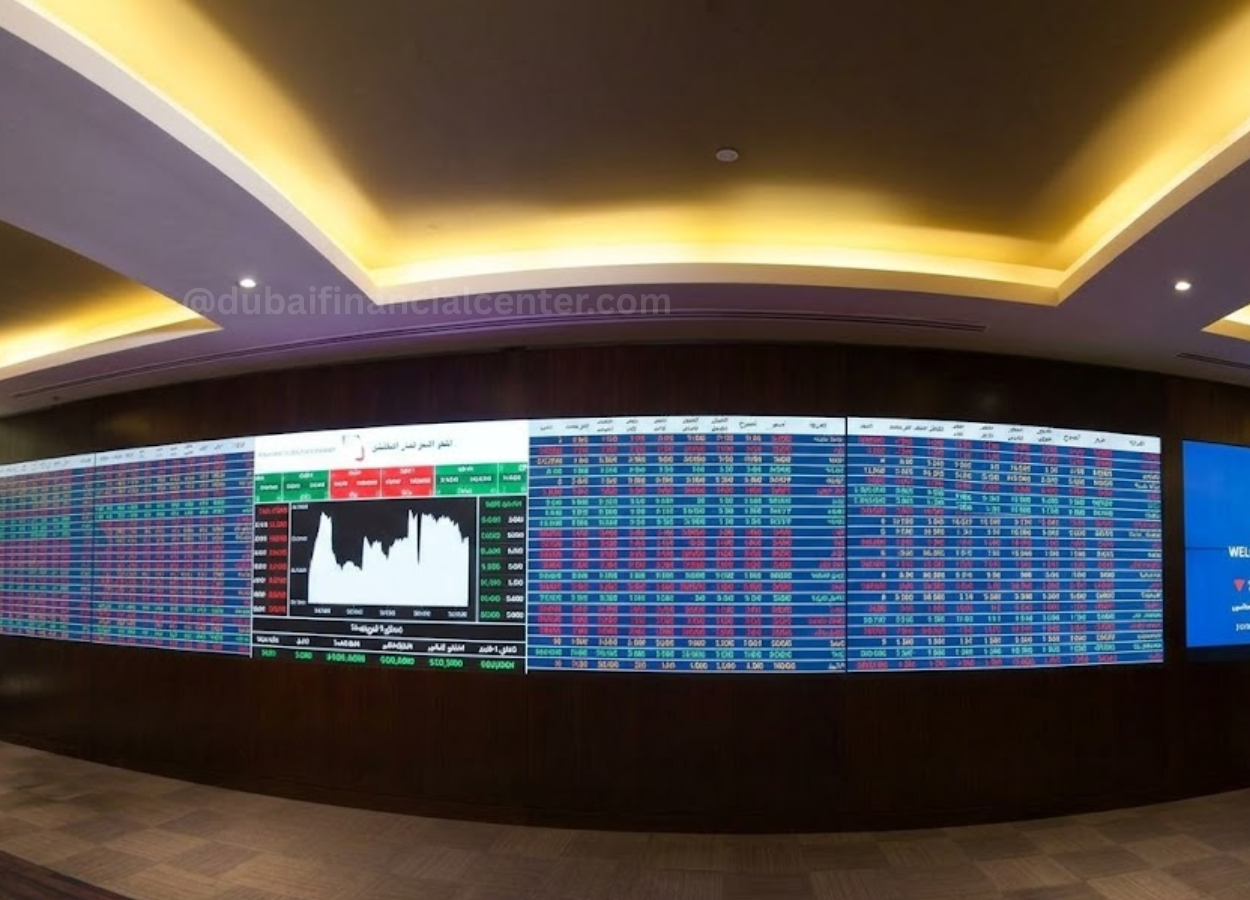
The level of trading activity showed healthy domestic conditions amid continued geopolitical tension in the region. UAE markets performed better, with the benchmark in Abu Dhabi gaining 0.4 percent, while Dubai saw gains of 0.1 percent. Market sentiment in the UAE received a substantial boost from domestic economic indicators showing robust expansion within the non-oil private sector, where firm consumer demand enhanced corporate pricing authority and elevated selling prices to multi-year highs.
Individual equities experienced notable momentum, with Dubai Electricity and Water Authority advancing 3.8 percent. Elsewhere in the region, the Qatari index climbed 1.1 percent, propelled by a 1.2 percent increase in Qatar National Bank, while stock exchanges in Oman also closed in positive territory.
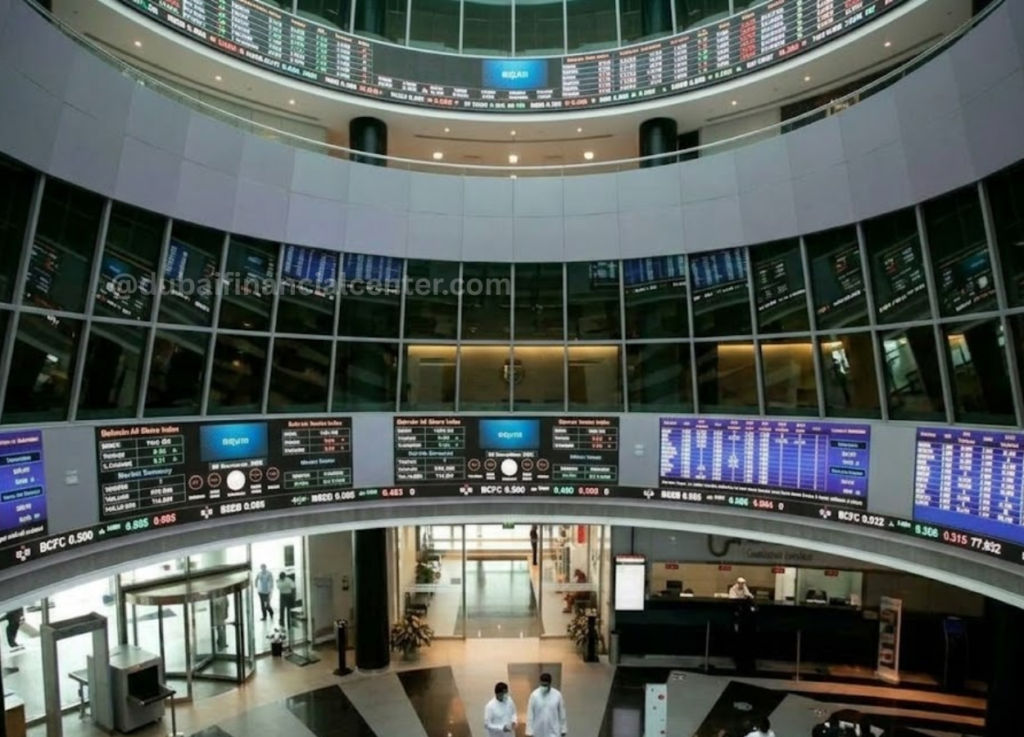
Bucking the wider regional rally, Saudi Arabia’s benchmark index slipped 0.3 percent following losses in key financial shares, including a 1.5 percent drop in Al Rajhi Bank, even as shares of energy giant Saudi Aramco edged up 0.6 percent. Outside the GCC, Egypt’s blue-chip index retreated 0.7 percent, reflecting broader contraction in its non-oil private sector amid inflationary pressure.
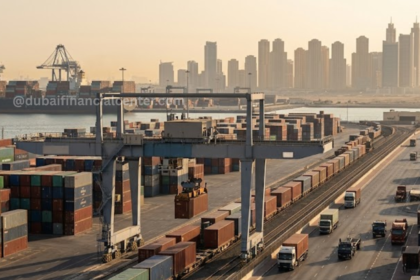
Global supply adjustments provided crucial support to market sentiment. Shipping data confirmed that regional crude exports briefly recovered to pre-conflict levels in late September, bolstered by emergency reserve releases from Group of Seven nations that helped mitigate lingering maritime transit risks in key trade corridors.
Financial analysts noted that while maritime transportation disruptions and regional tensions remain top of mind for international investors, strong macroeconomic indicators across key Gulf economies continue to offer a stable foundation for equity performance.