
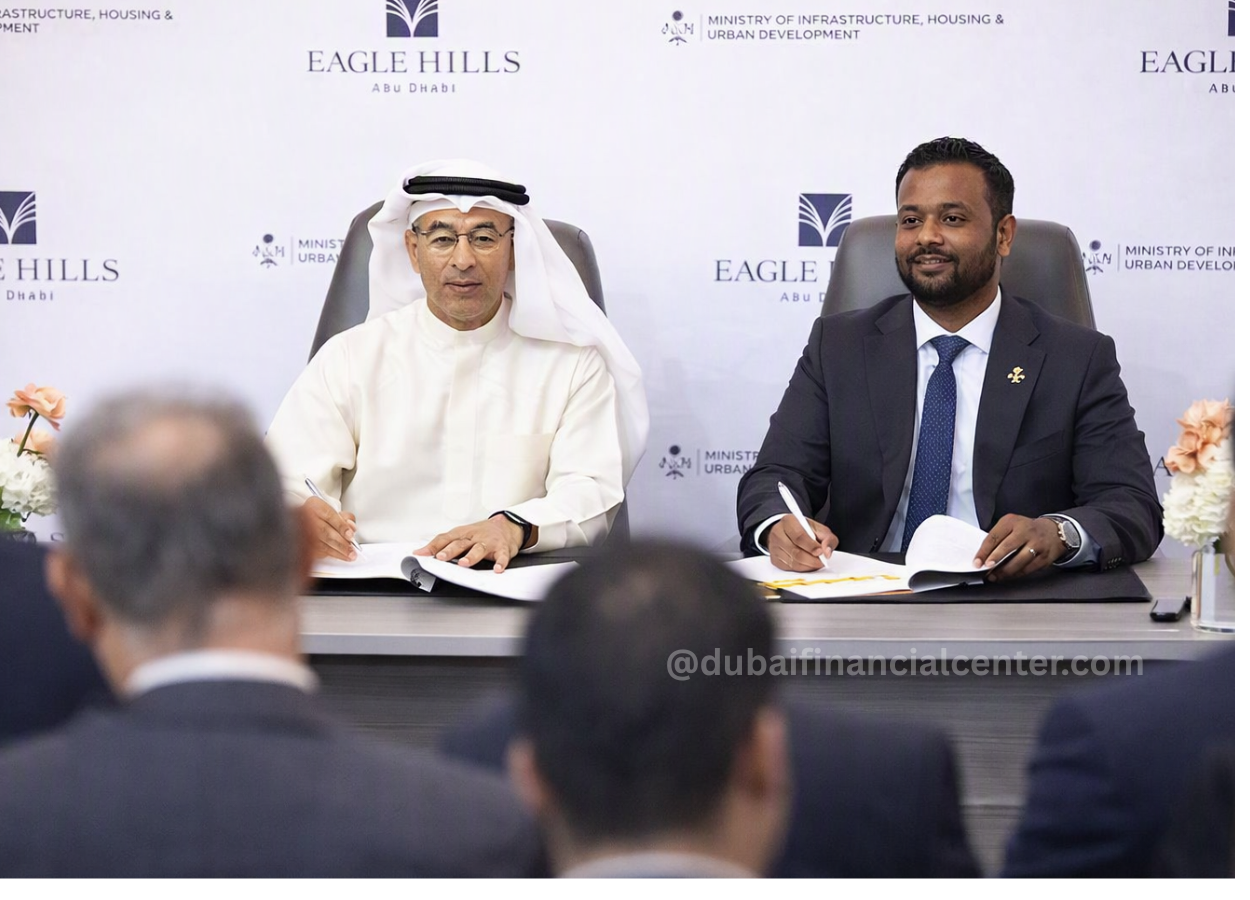

The ongoing political instability in the Middle East region is contributing to a difficult situation that is a threat to important international trade routes and economic performance in leading Asian markets, warns well-known businessman Mohamed Alabbar of Dubai. Talking about the economic implications of political instabilities in the region, the founder of Emaar Properties pointed out that continued instability continues to affect supply chain operations, energy prices, and international finances.
The leading industrialist noted that regional players and international players such as India and China are facing great difficulties because of rising costs and higher energy prices. The disruption of key trade routes is adding to costs incurred by international companies, resulting in financial uncertainties extending way beyond the borders of the Middle East region.
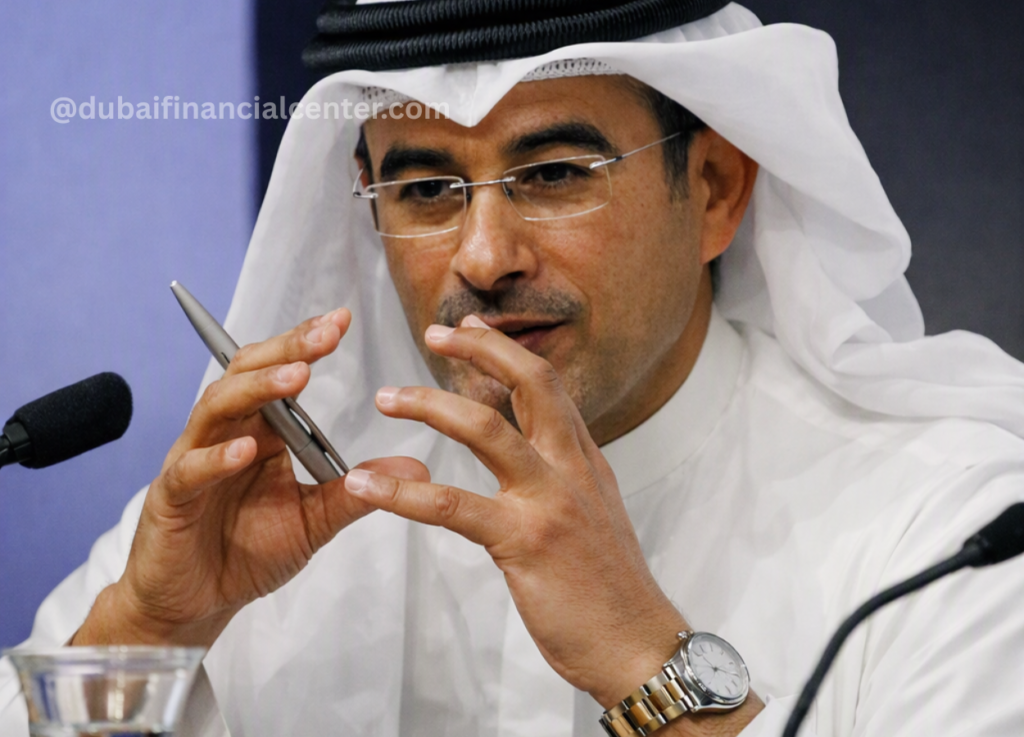
Despite regional volatility, Alabbar noted that domestic commercial activity in the United Arab Emirates continues to demonstrate strong foundational health. Strong fiscal management, stringent banking regulations, and sustained investor appetite have sheltered domestic markets from systemic liquidity shocks. Local real estate operations and commercial ventures maintain positive trajectories, supported by long-term capital inflows rather than speculative short-term debt financing.
Addressing market dynamics during periods of heightened tension, the business leader revealed that while daily transactional volumes typically fluctuate, institutional confidence across major UAE sectors remains firmly intact. Commercial infrastructure, airport traffic, and residential real estate demand continue to demonstrate operational strength, proving that international investors view the nation as a reliable safe haven during global turbulence.
However, the Dubai billionaire reiterated that the current geopolitical status quo cannot endure without causing broader structural harm to global commerce. He called for greater stability and long-term resolutions, noting that sustainable economic expansion across interconnected global markets requires predictable security frameworks, uninterrupted trade routes, and stabilized resource pricing. Ultimately, regional peace remains the essential foundation for long-term international commercial prosperity and resilience.