

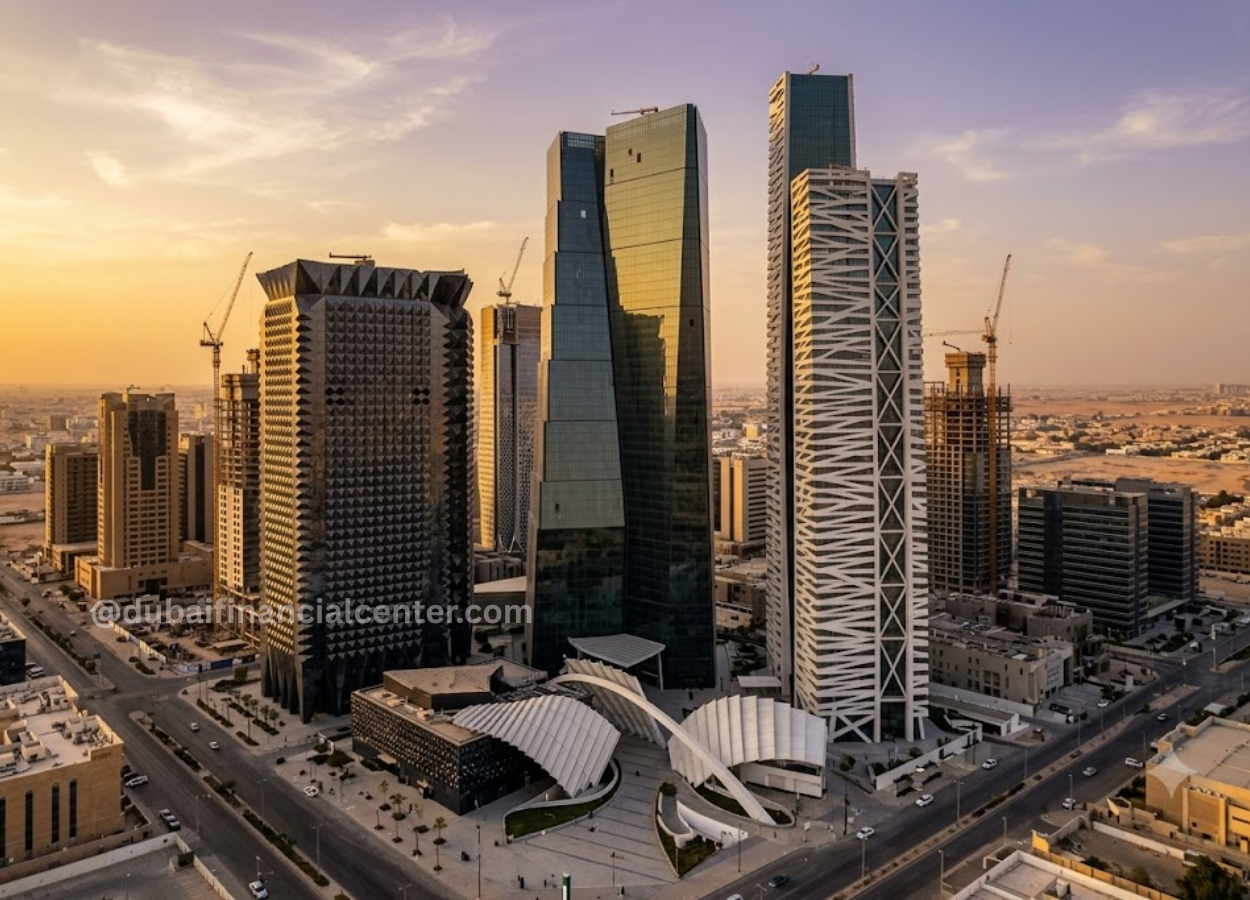

The leading financial centers within the Arabian Gulf witnessed significant improvements in their international competitiveness, as per the latest Global Financial Centres Index (GFCI 40). The financial centers of Abu Dhabi and Riyadh registered impressive leaps up the global charts, while Dubai retained its dominant position in the global top ten chart. Overall, the index reveals the strong confidence that prevails in the institutions, increased reforms within regulations, and steady investments in the Middle East despite persistent geopolitical unrest in the entire region.
The biannual index is prepared by the think tank Z/Yen Group, which operates from London, in collaboration with the China Development Institute. Abu Dhabi staged one of the edition’s most remarkable advances, surging eight spots to reach 13th globally as its overall rating points rose by 18.
Meanwhile, Dubai secured 9th place globally while topping the overall regional list, fueled by its world-leading position in financial technology and professional services. Outside the Emirates, Riyadh advanced 15 places to secure fourth spot regionally, underscoring Saudi Arabia’s expanding economic footprint under Vision 2030 initiatives.
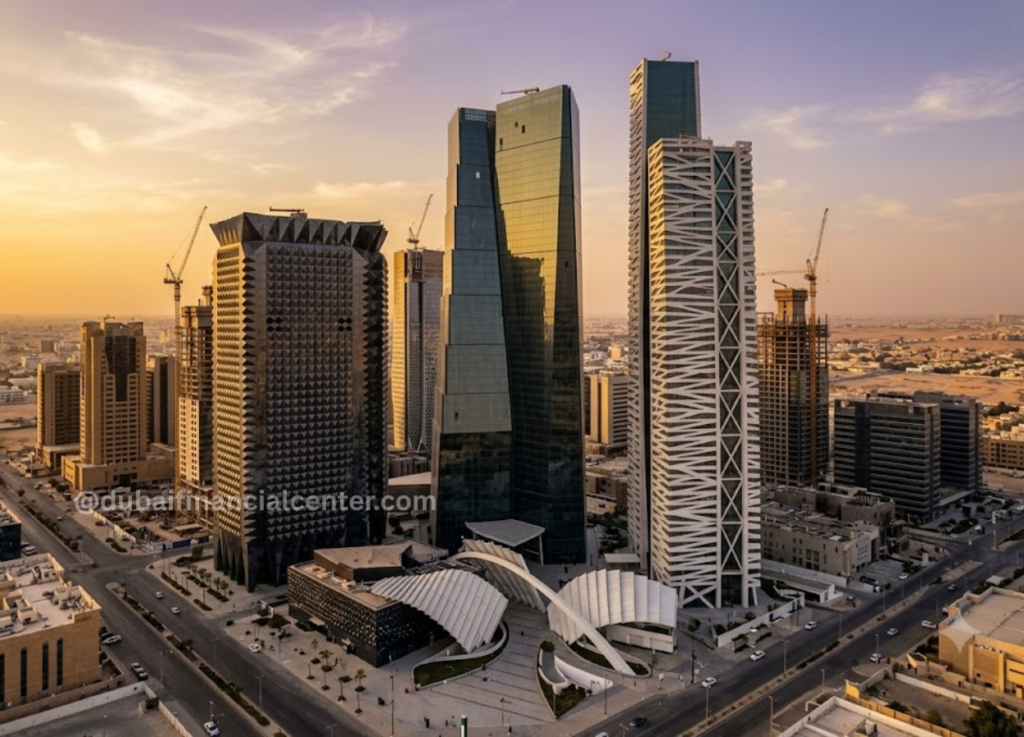
Data underlying the evaluation was collected largely after recent regional security escalations, highlighting the structural durability of the region’s markets. Surveyed global market participants overwhelmingly identified UAE cities as prime drivers for impending expansion.
Dubai captured the top spot globally among centers anticipated to grow in significance over the next two to three years, while Abu Dhabi secured fourth place worldwide. Analysts point out that robust institutional governance, international regulatory frameworks, and dedicated fintech investment continue to cushion Gulf economies from broader macroeconomic pressures.
As global investors seek resilient capital allocation environments, Middle Eastern commercial hubs are successfully converting structural reforms into long-term strategic influence. The continued advancement of these markets highlights how clear regulatory frameworks and deep infrastructural investments can outweigh regional uncertainties on the international financial stage.