



Apple is gearing up to release its much-awaited first-generation foldable iPhone, and some of the latest reports from within the industry indicate certain architectural trade-offs, notably the omission of Face ID and the telephoto camera unit, to create an exceptionally thin design.
Scheduled to be introduced along with the iPhone 18 Pro series of devices, the book-like foldable phone, which could be called the “iPhone Ultra”, is said to have an extremely thin body measuring only 4.5 millimetres when unfolded. In order to accomplish such an ultrathin build, Apple’s engineers have apparently opted for a Touch ID sensor embedded into the power button on the side.
Camera configurations on the upcoming handset will also undergo a notable redesign. Rather than featuring the triple-lens arrangement standard on Pro models, the foldable device is projected to sport a streamlined dual-lens module consisting of a 48-megapixel main camera and an ultra-wide sensor. Internal spatial constraints within the dual-chassis hinge mechanism reportedly forced designers to omit a dedicated telephoto camera lens entirely.
Under the hood, the flagship foldable will be powered by Apple’s next-generation A20 processor built on an advanced 2-nanometre manufacturing node, paired with 12 gigabytes of RAM and a dual-battery layout. Apple has reportedly addressed foldable display durability by deploying ultra-thin glass alongside a custom liquid-metal hinge system engineered to render the screen crease virtually invisible when fully opened.
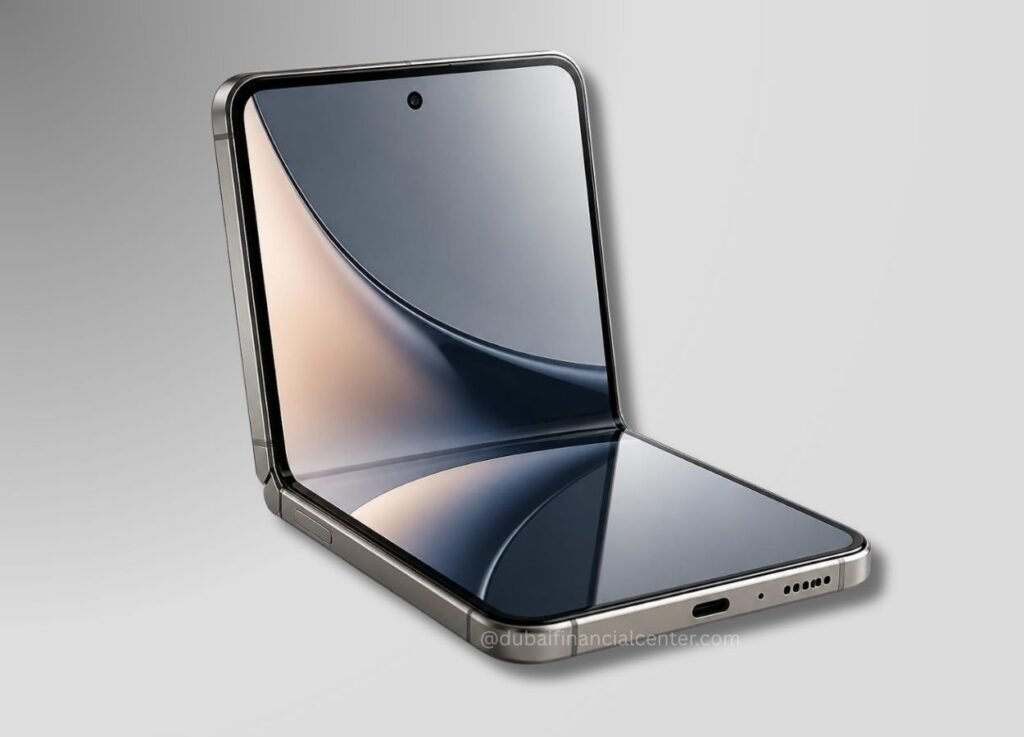
Market analysts project the device to carry a starting price tag between $2,000 and $2,500, positioning it among the most expensive consumer smartphones ever commercialised. Given the steep price point and specialised form factor, industry observers anticipate the model will initially function as a premium, low-volume entry aimed at early adopters before broader market scaling occurs.
To ensure long-term market adoption, supply chain sources indicate that Apple is simultaneously working with display partners to optimise production yields for the flexible OLED panels. The reduced manufacturing complexity of omitting internal facial-recognition sensors allows assembly lines to maintain higher precision standards across the dual-frame structural chassis.
Furthermore, industry observers highlight that the move toward a side-mounted biometric sensor mirrors design choices previously utilised across Apple’s iPad Air and iPad mini lineups. By reprioritising internal component volume, hardware teams successfully accommodated high-density battery cells capable of maintaining all-day operational efficiency despite the device’s extreme thinness. As competition intensifies within the foldable hardware sector across Asian and European markets, Apple’s entry represents a strategic shift toward ultra-premium positioning, balancing slim engineering with high-capacity computing power to establish a distinct foothold in the expanding foldable ecosystem.