

UAE’s position as a frontrunner in the region’s digital finance sphere has been secured by implementing an approach that combines domestic sovereign-like digital currencies with popular global tokens, as per the industry analysis released Tuesday by leading management consultancy Arthur D. Little.
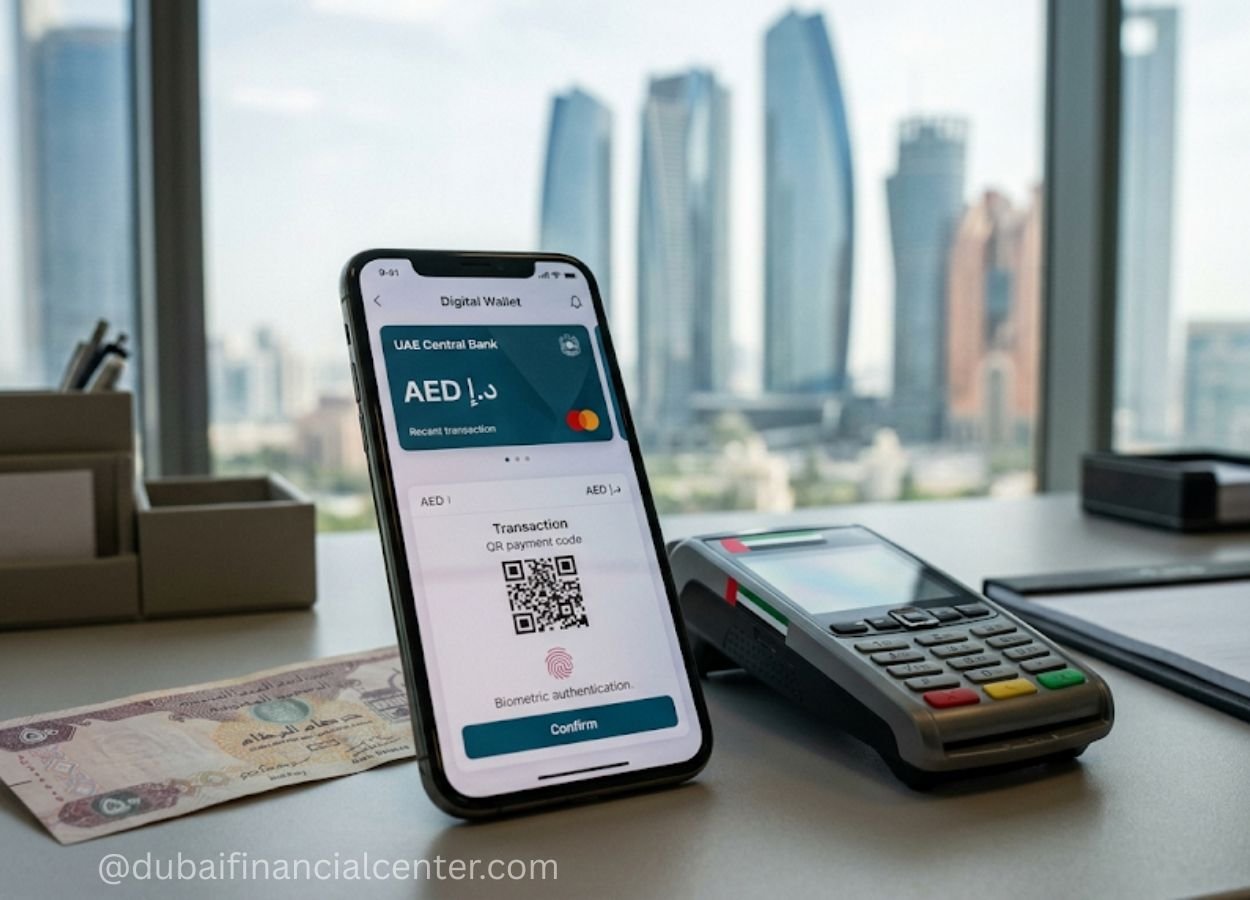
The research shows that the Gulf state is contributing to shaping the future of regulatory digital currencies through a complex financial structure. In contrast to other players that attempt to undermine the dominance of the USD-backed assets, which constitute nearly 97 per cent of the $312 billion fiat-backed stablecoin market, the UAE has developed a dual system where local tokens take care of domestic trade while global ones settle cross-border deals.
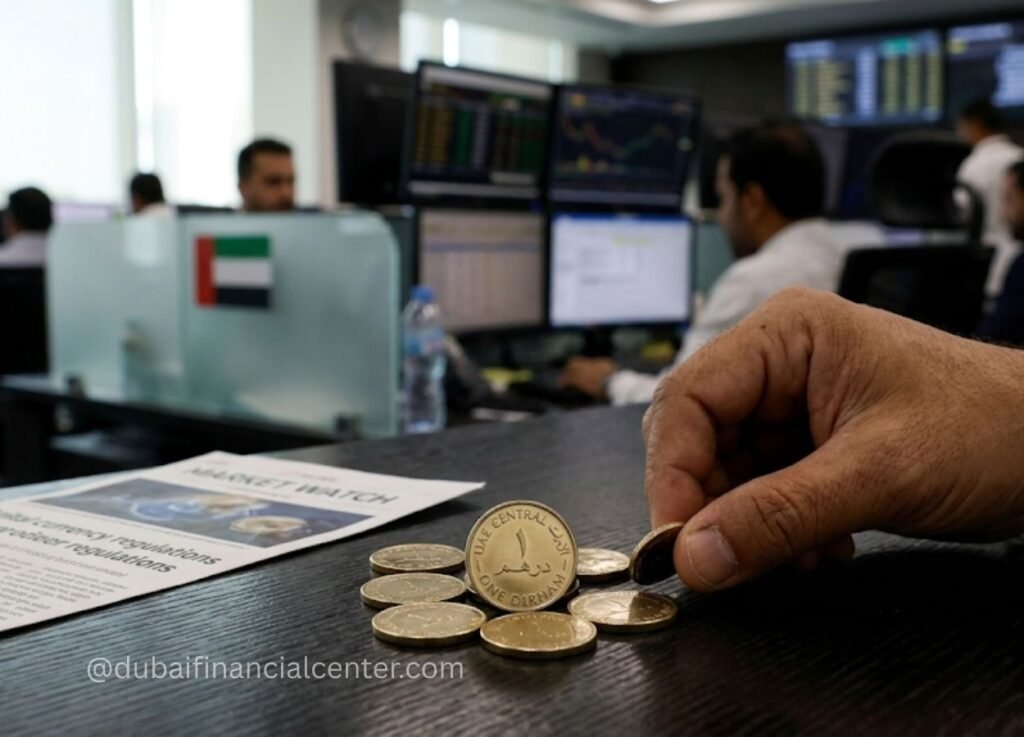
This sovereign push follows the implementation of the Middle East’s first comprehensive regulatory framework for fiat-referenced tokens in 2024. The regulatory landscape enabled the launch of dirham-denominated digital assets, such as DDSC, developed through backing from major regional institutions, including First Abu Dhabi Bank, International Holding Company, and Sirius International Holding.
“Global instruments can continue to serve international flows, while a regulated dirham layer can support domestic and regional activity,” noted Arjun Vir Singh, Partner and Global Head of Fintech, Payments & Digital Assets at Arthur D. Little. He emphasised that the UAE is demonstrating how national digital currencies and global instruments can operate harmoniously rather than competitively.
The shift reflects a broader global trend described by researchers as “replication, not resistance”, where in sovereign authorities introduce regulated local alternatives to private digital currencies. Globally, unique holders of non-USD stablecoins skyrocketed by 2,900 per cent between January 2023 and February 2026, reaching 1.2 million users.
Financial institutions across the Middle East are now shifting their operational focus from basic participation to strategic placement. Analysts emphasise that banks and payment service providers must evaluate specific currency pairings, client segments, and transaction corridors to capture market share as digital token adoption matures.
As sovereign-backed tokens gain traction, international regulatory bodies and policymakers face the next hurdle: building cross-border interoperability and mutual recognition systems to facilitate seamless multi-currency trade flows across critical global commerce corridors