

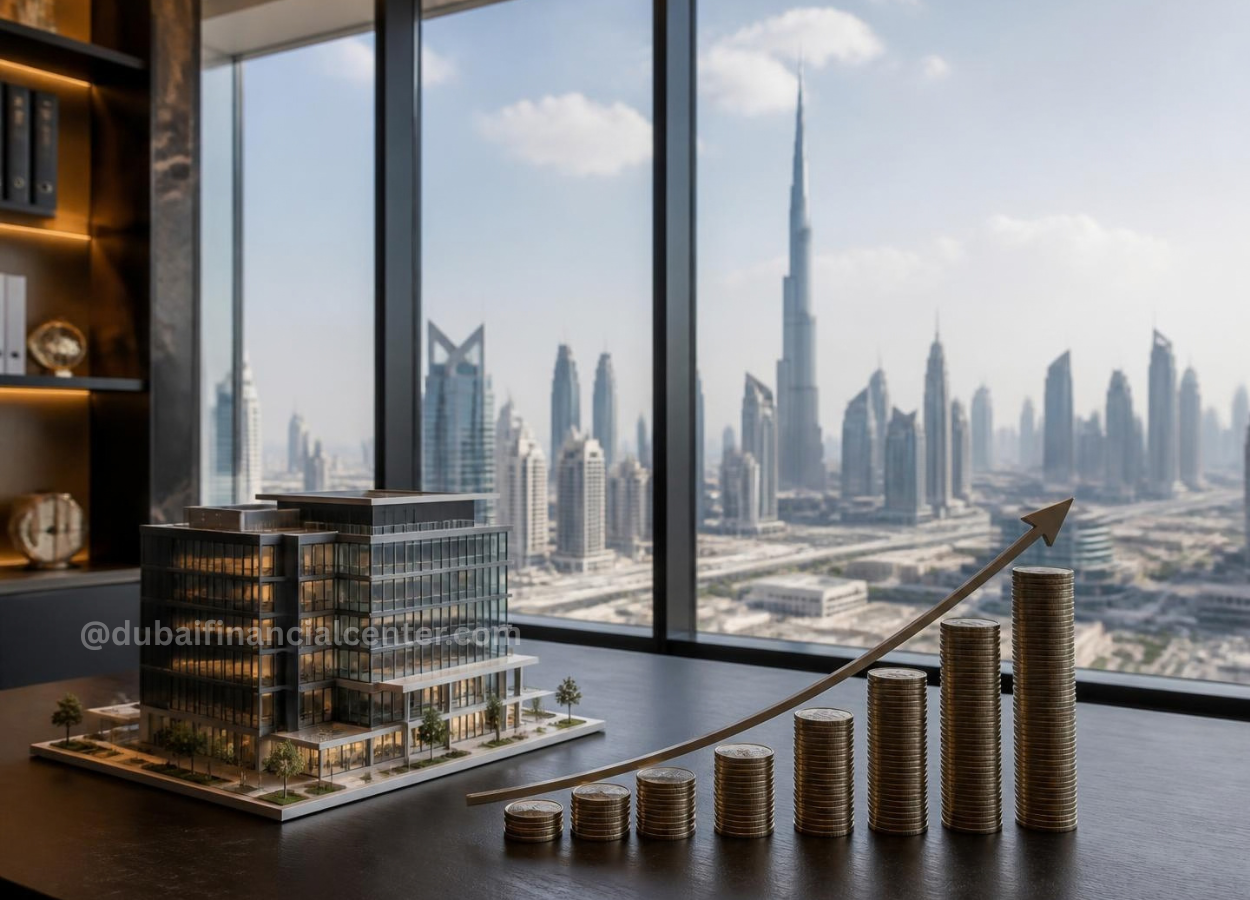

The commercial real estate segment in Dubai is gaining traction in becoming the main catalyst for the country’s market, where prices of commercial properties in the UAE have been skyrocketing up to 348 percent year on year. The new statistics show how the city’s key urban sub-markets as well as the northern Emirates’ markets are becoming reoriented to a mature and local environment. UAE Commercial Property Surge
As noted by the Property Finder’s report for the first half of 2026, Dubai experienced many localized price hikes in the business zones and suburban markets in the process of development. Commercial tenants and corporate occupants are increasingly attracted to very specific locations, hence performance differences between old zones and new local hubs.
In Dubai, Deira spearheaded retail growth among analyzed districts, recording a dramatic 61.5 per cent year-on-year jump in average rental rates to AED 643,855 ($175,000). Emerging residential and suburban hubs also captured robust retail interest, with Jumeirah Village Circle (JVC) posting a 33.4 per cent rental increase to AED 511,536 ($139,000), while Arjan surged by 19.3 per cent. On the office front, Jumeirah Lake Towers (JLT) dominated prime corporate leasing activity with a 30.6 per cent climb in average annual rents to AED 475,870 ($130,000). Meanwhile, Business Bay registered an 11.4 per cent upward adjustment to AED 421,041 ($115,000), maintaining its status as a core commercial corridor.
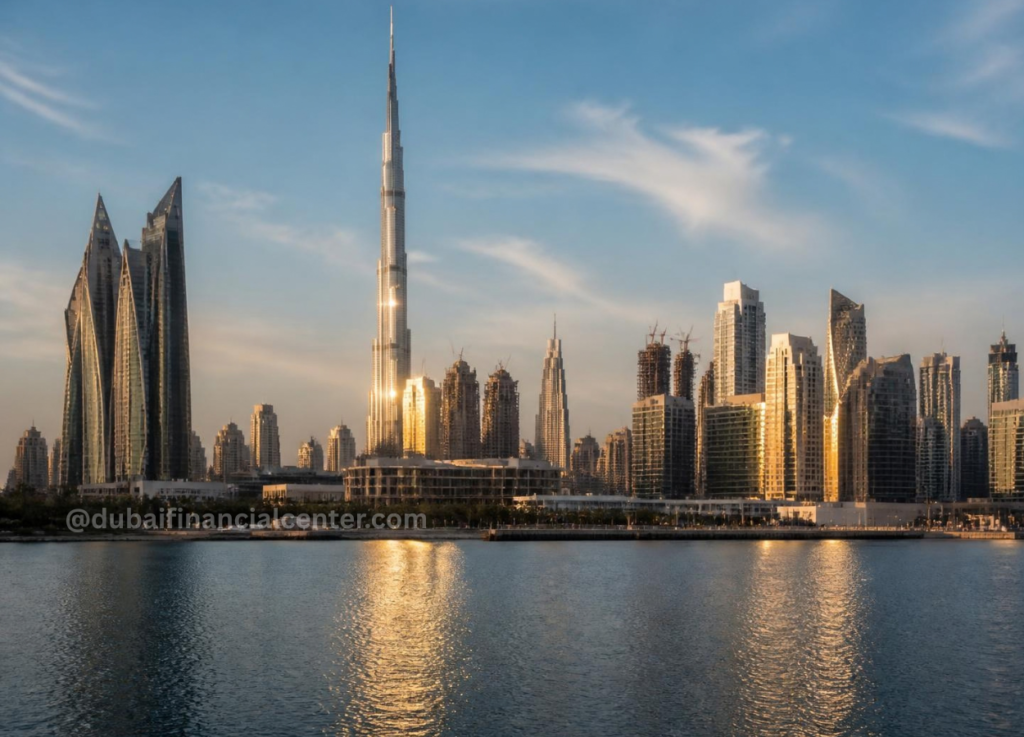
However, market performance remains highly nuanced. While prime Dubai areas saw substantial gains, older locations experienced contractions, such as Bur Dubai, where office rents dipped by 29.2 per cent. Across neighboring emirates, Ras Al Khaimah posted dramatic capital appreciation, driven by Al Marjan Island’s retail sales prices skyrocketing 348 per cent to AED 19.7 million ($5.4 million), alongside steady increases in Abu Dhabi’s waterfront communities and Sharjah’s office sectors.
Market analysts emphasize that despite modest second-quarter consolidation, long-term investor fundamentals across Dubai and the UAE remain firmly resilient. As the market heads into the second half of 2026, demand is expected to remain highly targeted, with tenants negotiating aggressively for well-located commercial assets. Dubai Financial Center