


The key commercial fundamentals of Dubai, along with consistent diversification strategies, have ensured continued protection of the business hub against any economic challenges posed by regional geopolitical developments, thereby ensuring overall macroeconomic stability of the region. The latest research reports released by the investment banking consulting firm Alpen Capital state that Dubai’s strong trading infrastructure and tourism flows have provided a sufficient cushioning effect against any pressure from regional disputes with Iran.
As per previous economic cycles, it is evident that there was always a resilience in the face of any adverse economic events. Speaking about the region, Hameed Noor Mohamed, Managing Director at Alpen Capital, has highlighted that enterprises based in the region have exhibited considerable agility while dealing with any adverse international environment, such as the global recession of 2008.
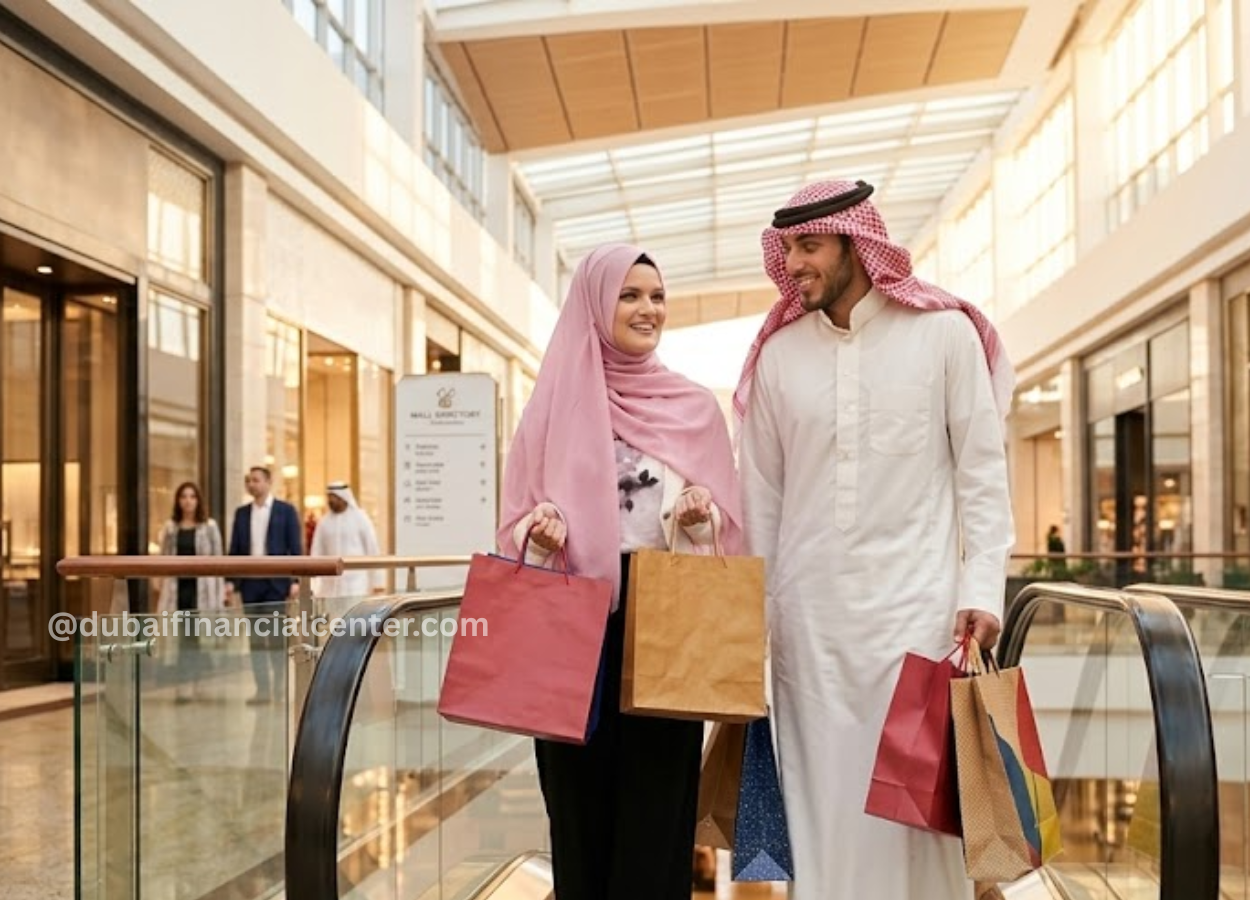
Central to this stable expansion is the nation’s retail landscape, where Dubai serves as the premier commercial anchor. According to Alpen Capital’s latest GCC Retail Industry study, total domestic retail expenditure is projected to scale to $129.5 billion by 2030. The local consumer sector is set to achieve an annualized growth rate of 3.6 percent from 2025 to 2030, representing the highest performance trajectory across the wider Gulf Cooperation Council, which is expected to average 3.3 percent.
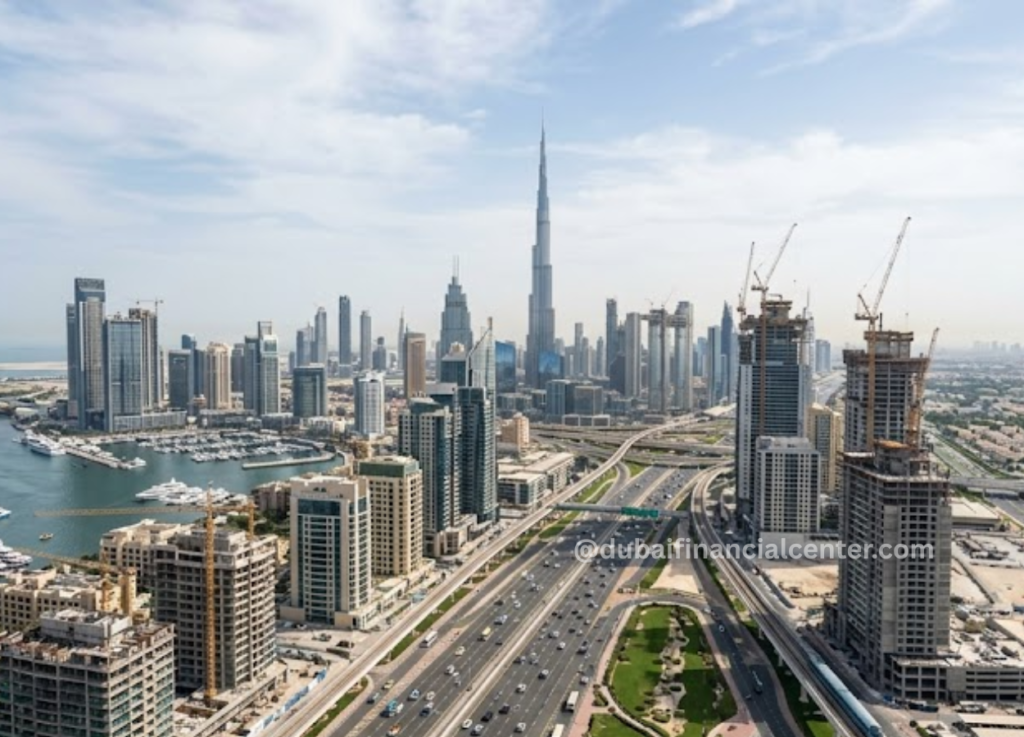
While temporary supply chain delays and heightened regional uncertainties pose short-term operational challenges, underlying consumer demand remains firmly supported. High visitor numbers—highlighted by Dubai welcoming 18.7 million international overnight guests in a single year—alongside expanding resident populations continue to drive consistent activity. Nationwide retail figures reached $103.2 billion in 2024, contributing nearly 18.7 percent to overall gross domestic product.
Local retail entities and commercial enterprises are increasingly integrating artificial intelligence, digital supply networks, and quick-commerce models to preserve margins and satisfy changing consumer habits. Coupled with strategic public investments in infrastructure modernizations and non-oil revenue initiatives, the emirate continues to cement its status as the Middle East’s central financial, trade, and luxury hub.